
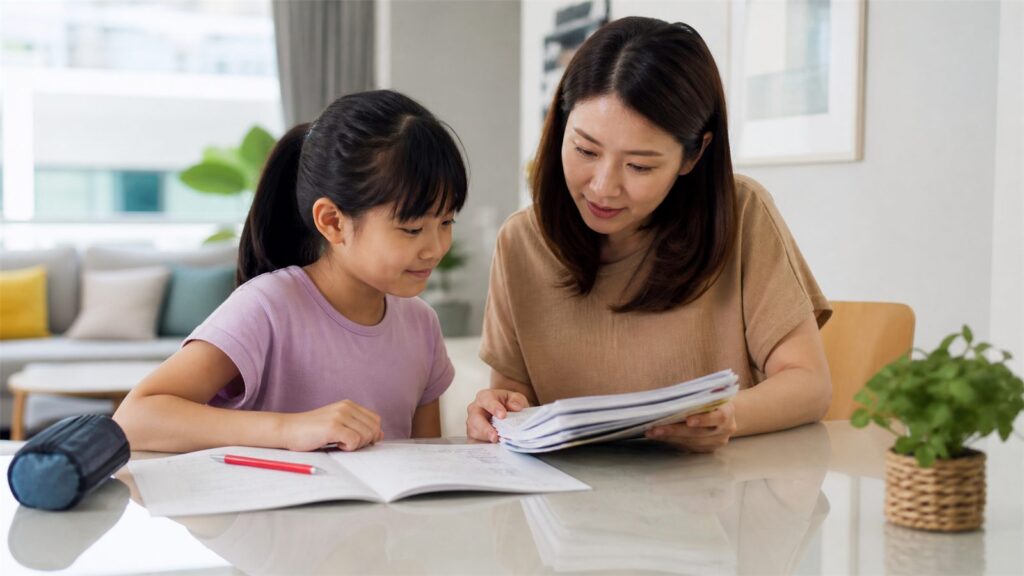
There is no official number of past-year papers every child must complete. The right amount is the number your child can attempt, mark, understand and correct without sacrificing sleep or regular schoolwork. One well-reviewed paper can teach more than five rushed attempts.
Key takeaways
- Start with the purpose, not a target number.
- Use selected sections before full papers when concepts are weak.
- Count corrected papers, not merely completed papers.
- Increase timing practice gradually.
A practical guide by level
These ranges are planning suggestions, not MOE requirements.
| Level | Useful approach |
|---|---|
| Primary 1 and 2 | Short skill activities, reading and school-aligned practice |
| Primary 3 and 4 | Selected sections and occasional full papers near assessments |
| Primary 5 | Mixed sections plus carefully chosen full papers |
| Primary 6 | Targeted practice, then recent prelim papers and timed rehearsals |
Primary 1 and Primary 2 pupils do not have weighted assessments and examinations. Parents should avoid recreating high-stakes testing at home. For older pupils, the number depends on readiness, available time and the quality of correction.
What counts as completing a paper?
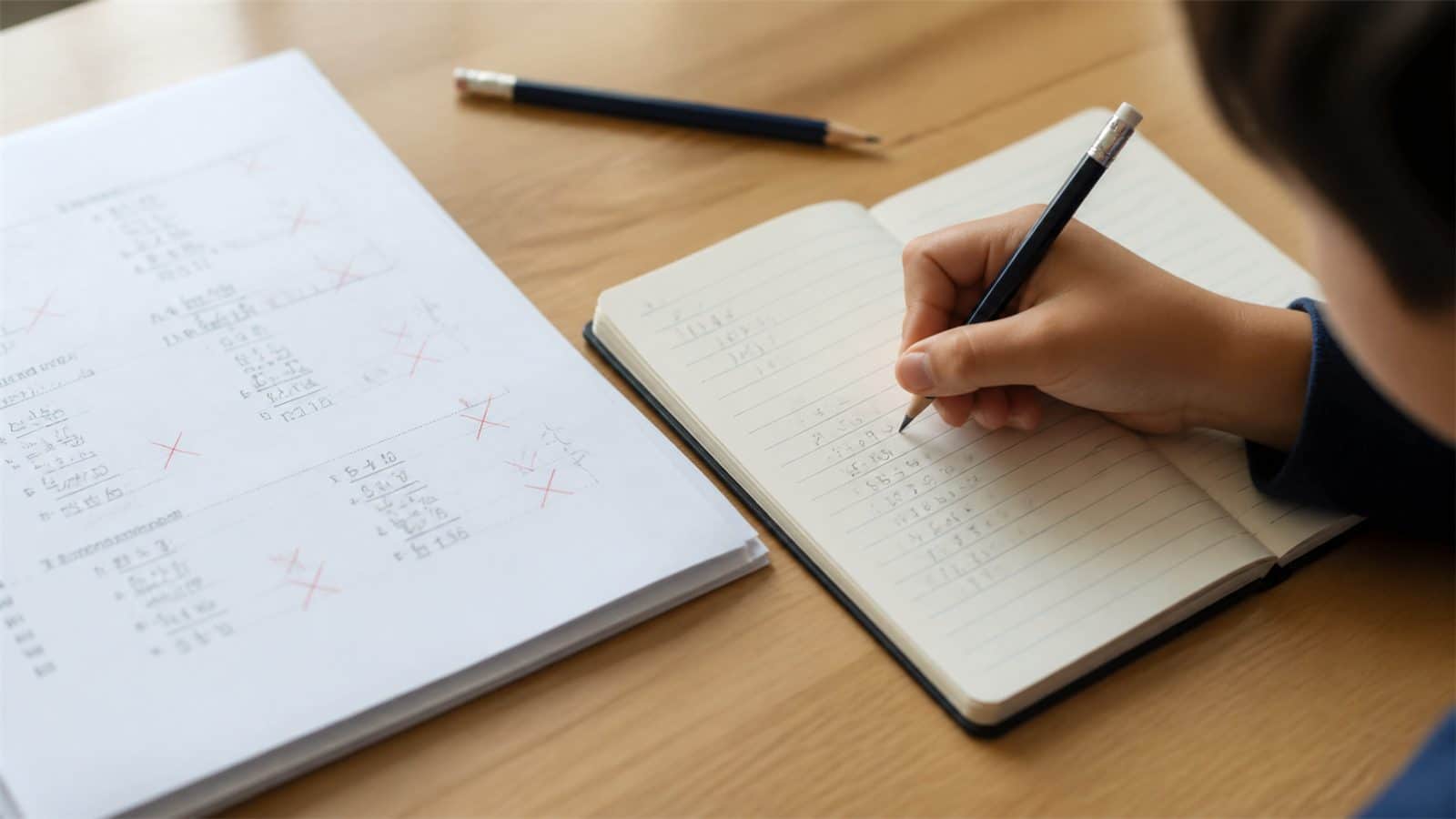
A paper is complete only after the child has marked it, understood the important errors and retried selected questions. Filing an unreviewed answer script adds little learning value.
Use this four-step loop:
- Attempt the paper with a stated purpose.
- Mark it using the answer key.
- Classify mistakes by cause.
- Retry selected questions several days later.
When should parents increase the number?
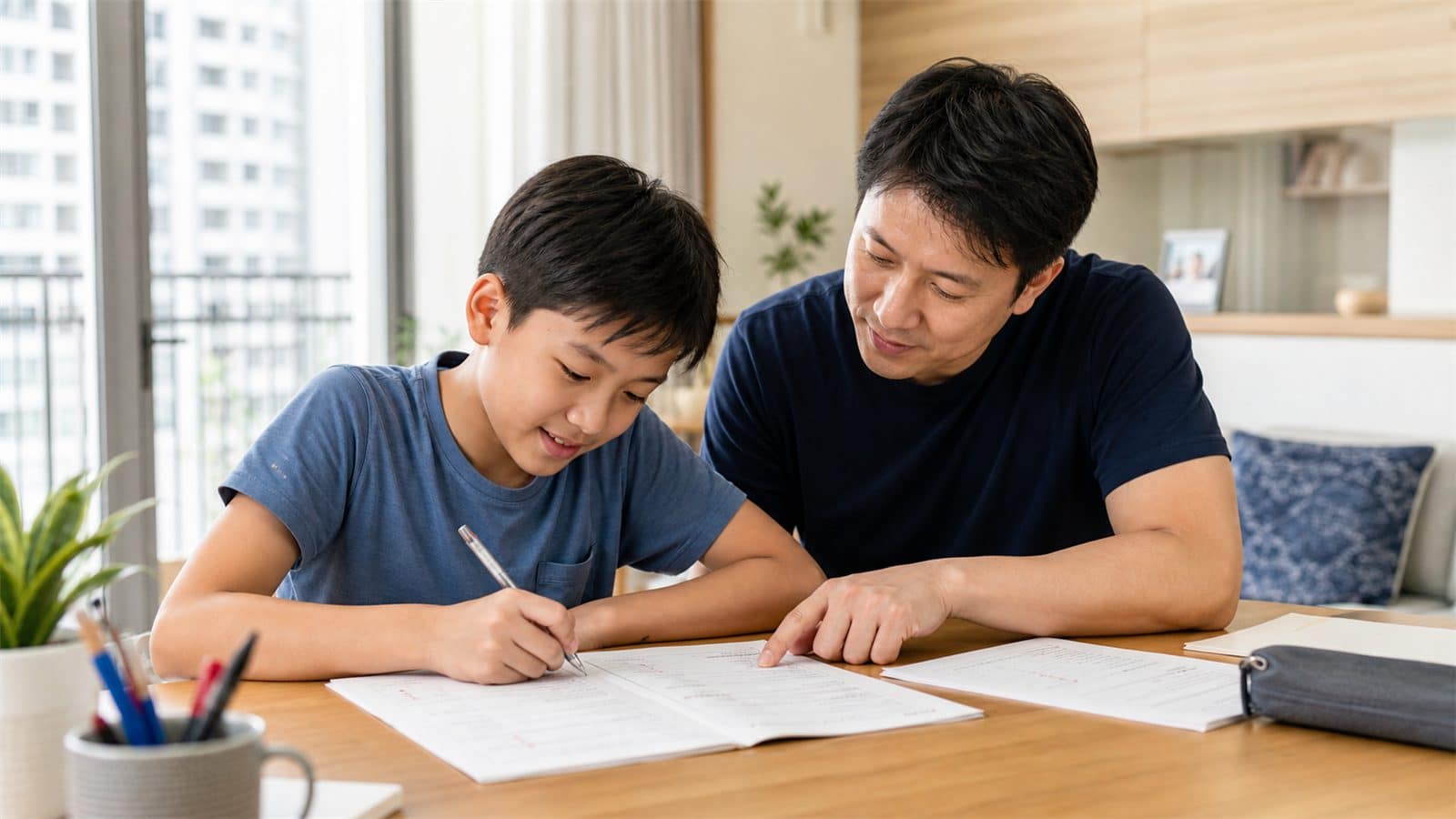
Increase volume only when the child can maintain accuracy, complete corrections and recover well between sessions. Add one paper or component at a time. If careless mistakes multiply, reduce the load and inspect fatigue or pacing.
Which papers should come first?
Choose papers that match the child’s current level, subject and assessment type. Recent papers often provide the closest format. A difficult top-school paper is not automatically the best starting point. Begin with a suitable challenge, then widen exposure.
Open Paper offers current primary paper sets with answer keys. Primary 6 families can review the 2026 prelim collection and our guide to timed practice.
Frequently asked questions
Is ten past-year papers enough for PSLE?
Ten may be useful for one child and excessive or insufficient for another. Check whether each paper produces clear corrections and whether repeated errors are falling.
Should my child do only top-school papers?
No. Choose a range that matches current readiness. Papers that are consistently too difficult can hide foundational gaps and reduce confidence.
Should every paper be timed?
No. Use open-book and partially timed work during learning. Full timing is most useful after the child understands the required methods.
Can older papers still be useful?
Yes, for skills and selected questions, provided the content and format remain relevant. Use recent papers for the closest examination rehearsal.
Sources
- MOE primary curriculum overview, accessed 7 August 2026
- SEAB PSLE formats examined in 2026, accessed 7 August 2026
Next step
Choose one paper with a clear purpose. Prepare the answer key and reserve as much time for review as for the attempt itself.